Article
The Free-VPS Hunt: Inside China's Obsession With Cloud Free Tiers
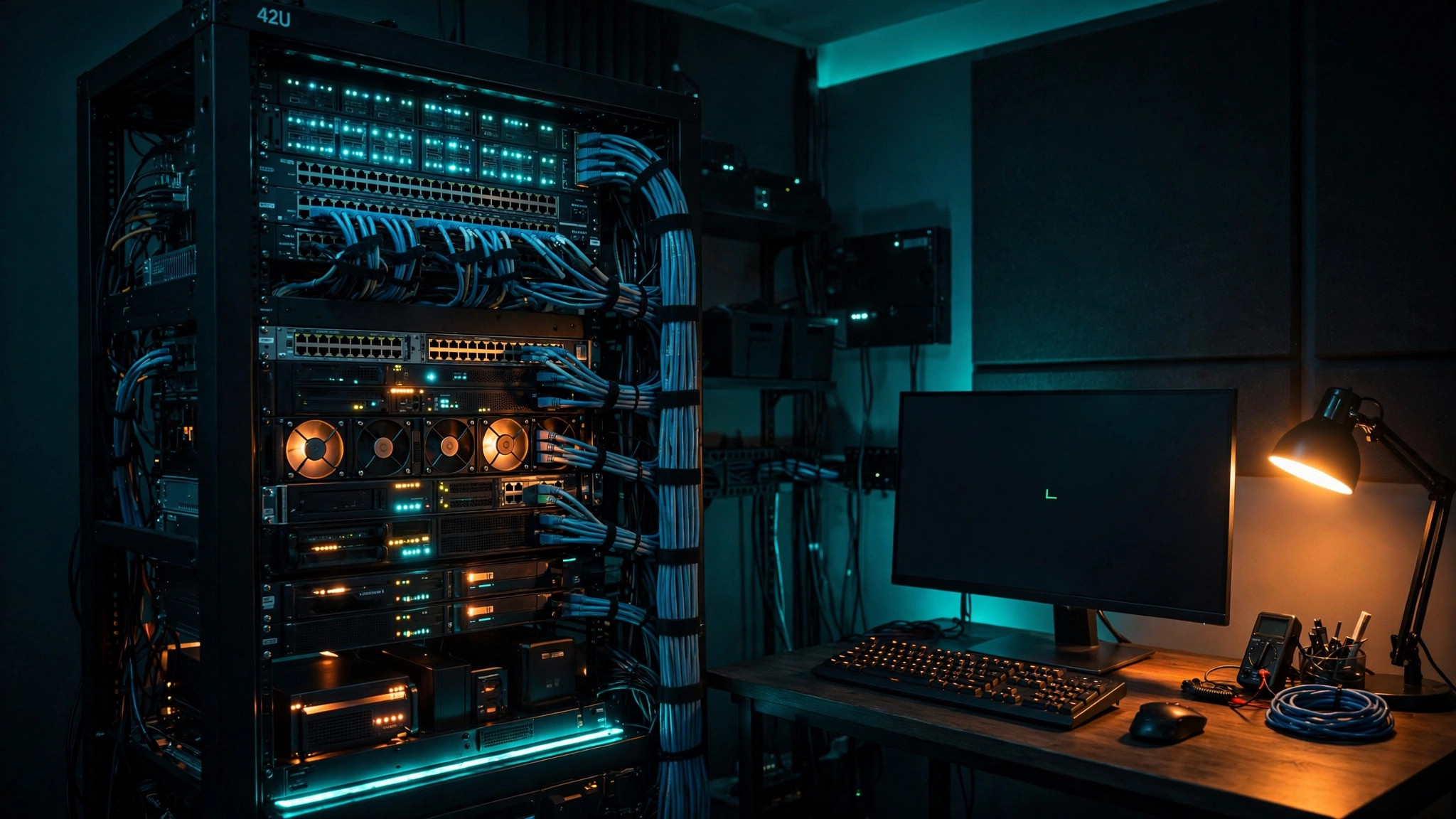
In China's homelab community, getting a free VPS isn't just saving money — it's a sport. Threads dissecting which providers still offer genuinely free compute, which regions have capacity, and which signup flows are worth the trouble pull hundreds of replies. To understand why free-tier hunting generates that much excitement, you need to understand the hunt itself — and the entirely legitimate free cloud that makes it possible.
Recently, a thread on the developer forum LINUX DO sharing a shortcut around AWS's usual signup process pulled 156 replies and 1,900 views in six hours. The community's own response was telling: members who tried it reported the resulting accounts were limited — several AWS features stay locked until you add a real payment method — and the thread quickly turned into a debate about fragility versus legitimacy. Shortcut-based accounts are easy come, easy go; one policy change or verification check and the free ride ends.
The forum's durable conclusion mirrors something English-speaking homelabbers on r/homelab and Hacker News figured out years ago: the patient hunters do fine on legitimate free tiers — especially Oracle's, which remains one of the most generous free compute deals anywhere on the internet. That's the game worth covering, because it's the one you can actually play long-term.
A few structural reasons make free cloud compute disproportionately valuable to Chinese developers:
This isn't unique to China, but the Chinese forums have industrialized it: members maintain shared spreadsheets of free-tier offerings, post capacity-window sightings, and compare notes on billing surprises. If you've ever seen a deal thread on Slickdeals, imagine that energy applied to cloud infrastructure.
Here's the honest, verified version of the comparison table the forums keep rebuilding:
| Provider | Free offering | Catch |
|---|---|---|
| Oracle Cloud | 2 AMD micro VMs + Ampere A1 ARM within a monthly free budget (see below), always free | Card required at signup; one account per person; capacity can be scarce in busy regions |
| AWS | 12-month free tier: 750 hrs/mo of EC2 micro instances | Card required; easy to accidentally exceed the caps and get billed |
| Google Cloud | $300 credit, valid 90 days | Card required; credit expires |
| Cloudflare | Workers/Pages free tier | Not a full VPS, but generous for web apps |
Because Oracle is the homelabber's holy grail, the numbers deserve precision — and many older guides are now out of date. Oracle's official Free Tier page lists AMD-based Compute and Arm-based Ampere A1 Compute as Always Free services (available "for an unlimited time," with limitations). Per Oracle's free-tier documentation and the homelab community's current tracking:
VM.Standard.E2.1.Micro instances (1/8 OCPU, 1 GB RAM each).The community's hard-won operational lore, verified against countless forum posts: "Out of host capacity" errors on Ampere are routine in high-demand regions — the standard advice is to try another availability domain or retry later — and home-region choice at signup is effectively permanent, so hunters treat it like a character-creation screen.
The sport, played by the rules, looks like this:
None of this requires tricks. The irony the forums themselves point out: the people chasing signup shortcuts are usually trying to get less than what Oracle hands out for free with a credit card on file.
The free-VPS hunt is a window into a developer culture that treats constraints as a game — the same community that benchmarks AI models with a 3D pelican applies the same playful intensity to cloud bills. The practical lesson is simple and boring in the best way: the legitimate free tiers are real, they're generous, and they're the only free compute that survives contact with a billing department.
If you run a homelab, check Oracle's Always Free first, keep AWS's 12-month tier in your pocket for experiments, and let the forums do the capacity scouting. The hunt is the fun part — but the prize was never the shortcut. It was the spreadsheet.
One last thing the forums get right: document what you build. The hunters who post their configs, their billing alerts, and their capacity sightings are the reason the next newcomer doesn't have to learn everything the hard way. Free compute is a commons; the spreadsheet is how the community keeps it one.